 Free UK Shipping 🚚 — Order Now Before Stock Runs Out


Quick answer. Vitamin D3 (cholecalciferol) is technically a hormone, not just a vitamin. Correcting a deficiency has been shown in randomised trials to raise total testosterone by +25%, cut respiratory-infection risk, lower fracture rates in older adults, improve depression scores, boost mood, support skin and muscle function, and (in men with ED and low D) improve erectile function scores by +46%. The NHS advises every UK adult to take a daily 10 μg (400 IU) supplement between October and March — and year-round for anyone with darker skin, limited sun exposure or who covers up outdoors. Vitamin D3 is a core ingredient in Himmense BOOST.
In this guide
- What is vitamin D?
- Sources of vitamin D
- Vitamin D deficiency — an ignored epidemic
- Symptoms of deficiency
- Supports the immune system
- Reduces the risk of disease
- Maintains muscle function
- Helps with weight loss
- Boosts energy levels
- Regulates mood and reduces depression
- Supports testosterone and male health
- Promotes healthy skin
- Keeps teeth and gums healthy
- Bone strength and fracture protection
- Where vitamin D3 fits in Himmense BOOST
Vitamin D3 — all hail the sunshine vitamin
Until the coronavirus outbreak, vitamin D didn't grab the headlines it deserves. Yet this nutrient has a surprising number of benefits that are vital to survival. Originally discovered by German researcher Adolf Windaus, vitamin D is produced naturally in our skin when exposed to sunlight — which is why it's earned the nickname "the sunshine vitamin."
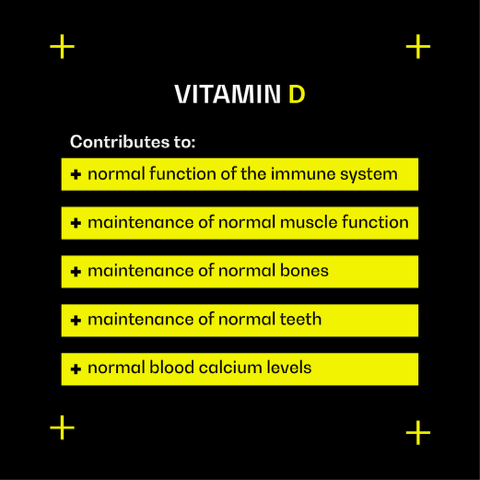
For the science buffs among you, vitamin D consists of D2 (ergocalciferol) and D3 (cholecalciferol). D1 is a compound rather than a pure vitamin and is no longer used. Vitamin D is vitally important for healthy bones, teeth and muscles, and also plays a key role in a normal immune system.
So, what is vitamin D?
Vitamin D is both a nutrient we eat and a hormone our bodies make. It's a fat-soluble vitamin that helps the body absorb and retain calcium and phosphorus — both critical for keeping bones, teeth and muscles healthy. Vitamin D also has a vital role in cell division and immune function. Researchers have found a link between compromised immunity and vitamin D deficiency, which is why getting enough matters.
Sources of vitamin D
There are three ways the body can get vitamin D:
- From direct sunlight on the skin when outdoors.
- From a small number of foods including oily fish, red meat, liver, egg yolks and fortified foods (but it's difficult to get enough vitamin D from food alone).
- From supplements.
In the UK, between October and early March we don't make enough vitamin D from sunlight. Since it's difficult to get enough from food alone, the NHS advises everyone should consider taking a daily supplement containing 10 μg (400 IU) of vitamin D during autumn and winter.
The Department of Health and Social Care further recommends a daily supplement every day, year-round for people who: have dark skin (higher melanin levels absorb less vitamin D), aren't often outdoors, or usually wear clothes that cover most of their skin outdoors.
Vitamin D deficiency — an ignored epidemic
Vitamin D deficiency has crept up on the blindside. Researchers have described it as a global pandemic that has largely been ignored by health organisations and government bodies. Contributing factors include:
- Living in high-pollution zones
- Heavy use of high-block sunscreen
- Too much time indoors with no natural sunlight
- Living in cities with high-rise buildings that block sun
- Poor or purely plant-based diets without fortification
Symptoms of vitamin D-ficiency
- Tiredness, aches, pains and a general sense of feeling off
- Bone diseases such as osteomalacia and osteoporosis
- Muscle pain
- Weakness in legs when climbing stairs
- Struggling to lift yourself out of a low chair
- Stress fractures in legs, pelvis and hips
Researchers have also found links between vitamin D deficiency and depression, fatigue, chronic diseases and male sexual function.
The benefits of vitamin D3
Supports the immune system
Studies show that people without adequate vitamin D levels may be at increased risk of infections and autoimmune disease. A review of 25 studies involving more than 11,000 participants found vitamin D supplementation helped reduce the risk of respiratory-tract infections (common cold, bronchitis, pneumonia). The effect was strongest in people with low or very low vitamin D.
Reduces the risk of disease
Studies show vitamin D may play a role in improving resistance to certain diseases:
- A large study found high circulating vitamin D is associated with lower risk of multiple sclerosis.
- A meta-analysis of 81 RCTs highlighted vitamin D's ability to improve cardiovascular risk factors including elevated blood pressure, hyperparathyroidism, dyslipidaemia and inflammation.
- A review found a strong association between vitamin D insufficiency and risk of cardiovascular disease, diabetes and metabolic syndrome.
- A review found vitamin D supplements may help treat hypertension and high blood pressure.
- A study found vitamin D supplementation during winter may reduce the incidence of influenza.
- A large study found a beneficial role for vitamin D intake in reducing the risk of type 2 diabetes.
- Studies have found higher vitamin D levels are consistently associated with reduced risks of certain cancers.
- A large 2025 systematic review and meta-analysis of RCTs found vitamin D supplementation can help reduce the risk of acute respiratory-tract infections, with the clearest benefits in people with low levels or those taking it daily.
Maintains muscle function
Vitamin D contributes to the maintenance of normal muscle function. Studies have shown vitamin D supplementation can improve muscle strength, which in turn contributes to a decrease in incidence of falls — one of the largest contributors to fracture incidence. A study in more than 4,000 older adults (≥60) reported vitamin D plasma concentrations of 40–90 nmol/L were associated with improved musculoskeletal function versus serum concentrations below 40 nmol/L.
Helps with weight loss
A study in the British Journal of Nutrition showed people taking a daily calcium and vitamin D supplement lost more weight than subjects taking a placebo.
Boosts energy levels
Vitamin D plays a role in reducing fatigue and boosting energy because it aids the function of the mitochondria — the parts of cells that create energy. Research has shown vitamin D deficiency is associated with fatigue. A study found patients with vitamin D deficiency who experienced muscle fatigue improved their muscle efficiency and recovery rates once their vitamin D levels were corrected — with all patients reporting improvement in fatigue symptoms.
Regulates mood and reduces depression
Research has shown vitamin D might play an important role in regulating mood and fighting depression:
- A review of 25 trials involving more than 7,500 people found those experiencing negative emotions who received vitamin D supplements noticed an improvement in symptoms. The meta-analysis concluded that patients with major depressive disorder and individuals with vitamin D deficiency are most likely to benefit.
- A study identified low vitamin D as a risk factor for more severe fibromyalgia symptoms, anxiety and depression.
Supports testosterone levels & male health
Research on vitamin D and male sexual health is still growing, but studies have found a clear link with testosterone and erectile function:
- In a randomised, double-blind, placebo-controlled study of 54 healthy overweight men (mean age ~48) with low vitamin D, supplementation with 3,332 IU (83 μg) daily for 1 year increased total testosterone by +25%, bioactive testosterone by +20% and free testosterone by +20% compared with placebo.
- A 2024 meta-analysis of 17 RCTs (1,774 men) found vitamin D supplementation significantly increased total testosterone. Benefits were stronger with higher doses (>4,000 IU / >100 μg per day) and longer durations (>12 weeks), especially in older men.
- In a study of 102 middle-aged men with vitamin D deficiency, high-dose vitamin D supplementation significantly improved erectile function scores by +46% and increased total testosterone by +28%. It also improved blood sugar control and reduced BMI.
- A 2021 cross-sectional study of 260 men found higher vitamin D was directly correlated with better semen quality, sperm function and higher testosterone.
- A meta-analysis of 8 studies (4,055 patients) found vitamin D deficiency was significantly associated with more severe forms of erectile dysfunction.
- A small study in young men showed those with vitamin D deficiency or insufficiency had lower erectile function scores than men with normal vitamin D.
Promotes healthy skin
Vitamin D plays a direct role in skin cell metabolism, helping your skin grow, repair and renew itself. It promotes keratinocyte differentiation (the process that builds a strong outer skin layer), supports collagen production, strengthens the skin barrier and aids wound healing.
Low levels are linked to drier skin, slower repair and increased issues like eczema, psoriasis flare-ups and irritation. Vitamin D also helps regulate inflammation, which can calm redness, certain types of acne and eczema symptoms. Maintaining optimal vitamin D levels — or supplementing when deficient — improves skin hydration, barrier function and overall appearance, especially useful for men who train hard, spend time outdoors, or notice their skin looking tired or inflamed.
Keeps teeth and gums healthy
Vitamin D plays a key role in absorbing and retaining calcium and phosphorus for tooth mineralisation. When vitamin D levels are inadequate, teeth become weaker, making us susceptible to cavities, fractures and decay. Researchers have linked vitamin D deficiency to two main oral issues: tooth decay and periodontitis (gum disease). A comprehensive review found vitamin D deficiency is highly implicated in oral diseases and has been linked with higher risk of tooth defects, caries, periodontitis and oral treatment failure.
Dem bones, dem vitamin D bones
Vitamin D helps the body absorb and use calcium and phosphorus, which keeps bones (and teeth) strong. Calcium assists the heart, blood and muscle contraction — without vitamin D, bones become brittle and break easily, and legs are prone to buckle. Around 99% of the calcium in your body is used by bones and teeth, but we lose a little every day through skin, nails, hair, sweat, urine and faeces. The body doesn't produce calcium naturally — it requires a source of vitamin D from sunlight, certain foods or supplements.
It's well established that low vitamin D levels can lead to bone weakness and increase your risk of osteoporosis and broken bones. A severe shortage causes rickets and osteomalacia (soft bones):
- A review showed inadequate vitamin D intakes over long periods can lead to decreased calcium absorption, bone demineralisation, weakened bones, increased risk of fractures and ultimately osteopenia and osteoporosis.
- A controlled trial of 100,000 IU oral vitamin D supplementation, in more than 2,500 adults, reported a 33% lower rate of fracture and 22% lower rate of first fracture at any site compared with placebo.
- A meta-analysis of 7 RCTs in older adults (≥60) concluded vitamin D supplementation at 700–800 IU/day reduced the risk of hip and non-vertebral fractures by 25%.
- A study reported significant benefit in bone mineral density after just 5 weeks in participants with impaired vitamin D status and osteoporosis/osteopenia.
Where vitamin D3 fits in Himmense BOOST
The World Health Organisation has dubbed the UK the third-fattest nation in Europe. That smarts. Researchers have found vitamin D has appetite-suppressing qualities that can support weight management, and carrying excess weight is linked to higher risks of many serious health conditions. Vitamin D also plays a key role in immunity, testosterone, mood, muscle and skin — it really is a win-win.
In BOOST, vitamin D3 sits alongside zinc, magnesium, Tesnor®, KSM-66® Ashwagandha, PrimaVie® Shilajit, Testofen® Fenugreek and 12 supporting nutrients.
Further reading
- The complete 2026 UK guide to choosing a testosterone supplement
- How to boost testosterone naturally: 12 proven methods
- Zinc benefits for men
- Magnesium benefits for men
- Signs of low testosterone in men
Advice is for information only and should not replace medical care. Consult a healthcare professional if you have any questions or are taking any other medications before you try any remedies or supplements.


