 Free UK Shipping 🚚 — Order Now Before Stock Runs Out


WHAT IS VITAMIN B6 GOOD FOR?
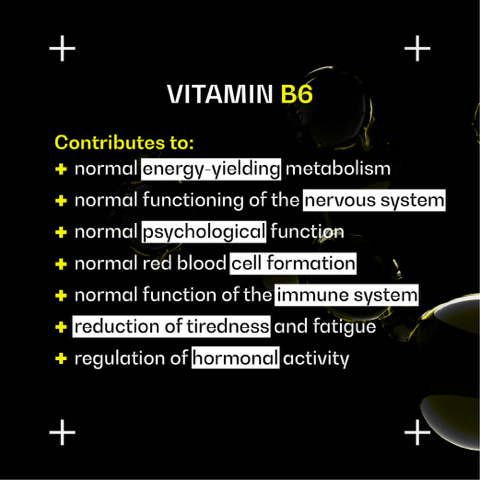
Vitamin B6, also known as pyridoxine, is a water-soluble vitamin that serves as a coenzyme in over 100 enzymatic reactions. It plays essential roles in:
+ Converting food into energy (energy-yielding metabolism)
+ Supporting brain and nervous system function
+ Producing haemoglobin (the oxygen-carrying protein in red blood cells)
+ Synthesizing key neurotransmitters and hormones like serotonin (mood regulation), norepinephrine (stress response), and melatonin (sleep regulation), and supporting testosterone production and regulation
A growing body of research also links adequate Vitamin B6 levels to slowing age-related cognitive decline, boosting mood, strengthening immunity, and reducing risks of certain chronic diseases.
Because it is water-soluble, Vitamin B6 is not stored in large amounts in the body and must be obtained daily through diet or supplements. Most people get enough from food, but certain groups (e.g., those with low-protein diets, older adults, pregnant women, or heavy alcohol users) are at higher risk of deficiency.
Top dietary sources include protein-rich foods like poultry, fish, beef liver, potatoes, bananas, chickpeas, fortified cereals, and non-citrus fruits. If your diet is low in these, a supplement may help bridge the gap.
SCIENTIFIC BENEFITS OF VITAMIN B6
MAINTAINING ENERGY LEVELS & REDUCING FATIGUE
Vitamin B6 helps maintain energy levels by supporting energy-yielding metabolism, red blood cell formation, and the reduction of tiredness and fatigue.
+ It plays a key role in breaking down glycogen (stored energy in muscles and liver) into glucose, the body’s primary fuel for physical activity.
+ It is essential for normal red blood cell formation. These cells carry oxygen via haemoglobin from the lungs to every tissue in the body. When tissues receive oxygen, they use it to produce energy.
+ Chronic deficiency in vitamin B6 can lead to microcytic anaemia, a condition that causes fatigue and weakness due to impaired oxygen delivery.
PREVENTING AND TREATING ANAEMIA
Vitamin B6 is crucial for haemoglobin synthesis. Haemoglobin is the iron-rich protein in red blood cells that carries oxygen from the lungs to the rest of the body. When haemoglobin levels are low, tissues don’t receive enough oxygen, leading to anaemia — a condition marked by fewer healthy red blood cells and symptoms such as fatigue, weakness, and shortness of breath.
B6 deficiency has been directly linked to certain types of anaemia because it impairs heme production (the oxygen-binding part of haemoglobin). Supplementation can help, particularly when anaemia doesn’t respond to iron alone. For example, one study found that 75 mg of vitamin B6 daily significantly improved symptoms in 56 pregnant women who had not responded adequately to iron treatment.
PROMOTING BRAIN HEALTH AND REDUCING ALZHEIMER’S RISK
Vitamin B6 helps lower homocysteine levels, an amino acid associated with brain atrophy and cognitive decline when elevated.
A key study in 156 older adults with mild cognitive impairment and high homocysteine showed that high-dose B6, B12, and folate (B9) supplementation slowed brain atrophy in regions vulnerable to Alzheimer’s.
IMPROVING MOOD AND REDUCING SYMPTOMS OF DEPRESSION
Vitamin B6 is essential for producing serotonin, dopamine, and GABA - neurotransmitters that regulate emotions and mood. Low B6 status correlates with a higher risk of depression, especially in older adults. For example, one study in 250 older adults found that those with deficient blood levels of vitamin B6 were twice as likely to experience depression.
REGULATING HORMONAL ACTIVITY & MAINTAINING TESTOSTERONE LEVELS
Vitamin B6 contributes to the regulation of hormonal activity and helps maintain healthy testosterone levels.
A well-known 2000 study by Brilla et al. on NCAA football players using ZMA (zinc + magnesium + vitamin B6) nightly for 8 weeks during intense training showed impressive results: free testosterone increased by +33.5%, total testosterone by +32%, while the placebo group experienced a ~10% drop. The ZMA group also recorded significant gains in muscle strength (+11–15%) and power/endurance (+13–15%).
SUPPORTING ERECTILE FUNCTION
Vitamin B6 may help support erectile function by helping the body break down homocysteine — an amino acid that can damage artery linings when it builds up. This damage contributes to atherosclerosis (hardening and narrowing of the arteries), a major cause of erectile difficulties, particularly in older men and those with diabetes.
For example, a 2018 systematic review and meta-analysis of nine studies involving 1,320 men found that those with erectile dysfunction (ED) were approximately twice as likely to have elevated homocysteine levels.
STRENGTHENING THE IMMUNE SYSTEM
Vitamin B6 plays an important role in supporting the entire immune system. It helps with the production of antibodies, the proper functioning of immune cells, and keeping inflammation in check.
When vitamin B6 levels are low, immunity can weaken, and chronic inflammation may increase. Adequate B6 intake is therefore linked to better overall immune health and may help reduce the risk of various diseases associated with long-term inflammation, such as heart disease, diabetes, and autoimmune conditions.
PREVENTING CLOGGED ARTERIES AND REDUCING HEART DISEASE RISK
Vitamin B6 helps prevent clogged arteries by lowering levels of homocysteine — an amino acid that can damage blood vessel walls when it builds up in the blood. This damage can lead to hardening and narrowing of the arteries (known as atherosclerosis), which increases the risk of heart disease.
Research shows that people with low blood levels of vitamin B6 have nearly double the risk of developing heart disease compared to those with higher levels.
In one promising randomised controlled trial, 158 healthy adults with a family history of heart disease took 250 mg of vitamin B6 plus 5 mg of folic acid daily for two years. Compared to the placebo group, they had significantly lower homocysteine levels and better heart function during exercise stress tests — suggesting a meaningful reduction in overall heart disease risk.
LOWERING THE RISK OF CANCER
Observational studies suggest a link between adequate dietary intake and higher blood levels of vitamin B6 and a decreased risk of certain cancers, particularly colorectal and gastrointestinal types.
For example, a meta-analysis found that individuals with the highest blood levels of B6 had nearly 50% lower risk of colorectal cancer compared to those with the lowest levels.
MAINTAINING EYE HEALTH AND PREVENTING EYE DISEASES
Vitamin B6 may help protect eye health and lower the risk of age-related macular degeneration (AMD) — a common eye disease and one of the leading causes of vision loss in older adults.
It does this mainly by helping to reduce homocysteine, an amino acid that can damage blood vessels when levels get too high. Healthy blood vessels are vital for delivering oxygen and nutrients to the eyes.
Research has also linked low vitamin B6 levels to retinal vein problems and other eye disorders. In one study involving over 500 people, those with the lowest B6 levels had a significantly higher chance of retinal disorders.
Getting enough vitamin B6 (often together with vitamins B9 and B12) may therefore support long-term eye health as we age.
HIMMENSE supplements contain Vitamin B6. So we've got you covered.
Advice is for information only and should not replace medical care. Consult a doctor or healthcare professional if you have any questions or are taking any other medications before you try any supplements.
Read more Men's Health & Lifestyle blogs from HIMMENSE here


